


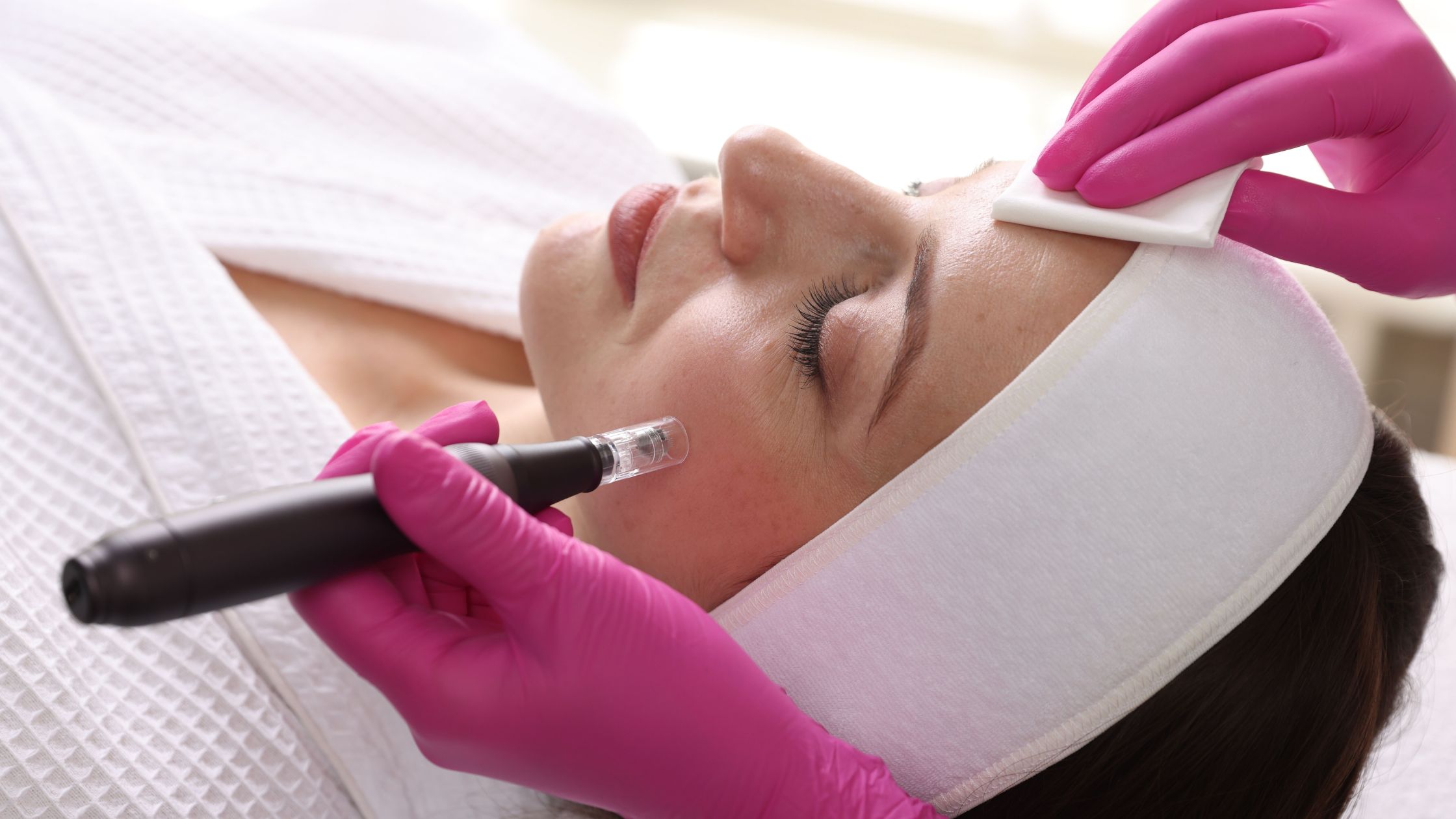
So you’ve been hearing a lot about RF microneedling lately. Maybe a friend swore by it, or you saw it mentioned in a skincare forum at 11pm when you were doing that thing where you fall down a rabbit hole of beauty treatments you’ve never tried. Either way — here you are, wondering if it’s right for you, and more specifically, whether you’re the right age for it.
Here’s the thing: that’s actually a really smart question to ask. Because while RF microneedling works across a wide age range, the reasons you’d get it at 28 look pretty different from the reasons you’d get it at 55. And understanding that distinction can make the difference between a treatment that genuinely changes your skin and one that leaves you wondering what all the fuss was about.
Let’s get into it.
What Exactly Is RF Microneedling?
Before we talk age, a quick primer for anyone who’s still fuzzy on the details. RF microneedling — radiofrequency microneedling — combines two things that have been around separately for a while: traditional microneedling (tiny needles that create micro-injuries to stimulate collagen) and radiofrequency energy (heat delivered deep into the skin to tighten and remodel tissue). Put them together, and you get something more powerful than either alone.
Devices like Morpheus8, Vivace, and Sylfirm X have become the heavy hitters in this space. The needles penetrate to a controlled depth, and as they do, they deliver RF energy directly into the dermis — bypassing the surface, which means less downtime and more precise results. Think of it like renovating a house from the inside out, rather than just repainting the exterior. The structural work happens beneath the surface.
The result? Tighter skin, reduced fine lines, improved texture, and — over time — a genuine boost in collagen production that keeps building for months after your treatment.
The Real Answer Is: It Depends on What You’re Trying to Fix
Age matters, yes. But what matters more is your skin’s current condition and what you want to achieve. That said, there are some pretty clear patterns in how people benefit from RF microneedling at different life stages. So let’s walk through them.
In Your 20s: Prevention, Not Panic
Most people in their 20s don’t need RF microneedling for anti-aging purposes — and that’s a good thing. But “don’t need it” doesn’t mean “shouldn’t consider it.”
There are genuinely valid reasons someone in their mid-to-late 20s might benefit. Acne scarring is a big one. If you’ve dealt with moderate-to-severe acne and it’s left behind textural damage, RF microneedling can do remarkable things for resurfacing and smoothing. Same goes for enlarged pores, uneven skin texture, or stretch marks. These aren’t aging concerns — they’re structural skin issues that RF microneedling addresses directly.
Some practitioners also talk about starting RF microneedling in the late 20s as a preventive measure. The logic makes sense: collagen production naturally begins to decline around age 25. Stimulating collagen before you’ve lost a significant amount means you’re maintaining what you have, rather than playing catch-up later. It’s a bit like contributing to a retirement fund in your 20s — the earlier you start, the more you’re working with later.
That said, if you’re 23 and have no specific skin concerns, jumping into RF microneedling probably isn’t necessary. Sunscreen, a solid skincare routine, and maybe a retinol are going to give you better returns right now.
In Your 30s: The Sweet Spot (For Most People)
Honestly? The 30s are when RF microneedling tends to shine brightest — and when the investment makes the most obvious sense.
By your early 30s, the effects of sun exposure, late nights, stress, and that decade of not-quite-enough SPF start showing up. Fine lines around the eyes. A little loss of firmness along the jawline. Skin that used to bounce back overnight now takes a little longer. You’re not dealing with deep wrinkles or significant sagging — but you can see where things are heading, and that’s exactly when RF microneedling is most effective.
Here’s why: RF microneedling works best when there’s still enough collagen in the skin to respond robustly to the stimulation. In your 30s, your skin’s regenerative capacity is still quite good. The treatment triggers a healing response, and your body delivers — producing new collagen that firms, plumps, and smooths. The results are noticeable and tend to develop beautifully over the following three to six months.
For people dealing with hormonal changes in their 30s — post-pregnancy skin changes, for example, or acne flare-ups related to shifting hormones — RF microneedling can also help address the aftermath: scarring, texture irregularities, loose skin post-weight loss. It’s versatile in a way not all cosmetic treatments are.
In Your 40s: Turning the Clock Back
If you’re in your 40s and wondering whether you’ve “missed the boat” on RF microneedling, you absolutely haven’t. This decade is actually when many people first seek it out — and for good reason.
Collagen loss accelerates significantly in the 40s, especially for women going through perimenopause. Skin that was firm starts to lose definition. Jowling begins. The nasolabial folds deepen. These aren’t subtle changes, and they can feel disorienting if you’re not expecting them.
RF microneedling at this stage works hard. It stimulates collagen in skin that may have become somewhat lax, improving elasticity and firmness in ways that topical products simply can’t match. Multiple sessions — typically a series of three to four — are usually recommended, spaced about four weeks apart. The results build progressively, and many patients in their 40s report that they look like a refreshed version of themselves, rather than looking “done” or altered.
One important nuance: practitioners often go deeper and with higher RF energy in the 40s than they would in the 30s, because the skin needs more intensive stimulation. Device settings and treatment protocols genuinely matter, so this is a case where the skill and experience of your provider really counts.
In Your 50s and Beyond: Still Very Much Worth It
There’s a persistent myth that cosmetic treatments are only for the young, or that there’s some cutoff age after which they stop working. RF microneedling pretty firmly disproves that.
People in their 50s, 60s, and even older can and do see significant results from RF microneedling — particularly for skin laxity, crepiness, and overall texture improvement. The treatment also pairs beautifully with other modalities at this stage: neuromodulators like Botox for dynamic wrinkles, dermal fillers for volume loss, or energy-based treatments like ultrasound (Ultherapy) for deeper lifting.
The conversation does shift a bit. At this stage, RF microneedling is often part of a broader treatment plan rather than a standalone solution. And expectations need to be realistic — it can achieve meaningful improvement, but it’s not a surgical facelift. For someone with very significant sagging or deep structural changes, a combination approach or surgical consultation might be worth discussing alongside RF microneedling.
That said, for someone who isn’t ready for (or interested in) surgery, RF microneedling in the 50s and beyond can be genuinely impressive. Maintenance sessions every six to twelve months help sustain results over time.
Are There Ages Where RF Microneedling Isn’t Appropriate?
Good question. Generally speaking, RF microneedling isn’t recommended for anyone under 18 — not because it’s inherently dangerous, but because the skin is still developing and there aren’t strong clinical indications for it in that age group.
There are also certain conditions that can make any age a poor time for treatment: active acne flare-ups across the treatment area, certain autoimmune conditions, keloid scarring history, pregnancy, and some medications can all affect candidacy. This is why a proper consultation with a board-certified dermatologist or plastic surgeon — not just any med spa — is non-negotiable. They’ll assess your skin, your health history, and your goals before recommending anything.
What About Skin Type and Tone?
Age is one variable. Skin type and tone are another, and they deserve a mention here.
Historically, many energy-based skin treatments carried risks for people with darker skin tones — specifically, the risk of post-inflammatory hyperpigmentation (PIH). Traditional laser resurfacing was particularly problematic in this regard. RF microneedling, interestingly, tends to be safer across a broader range of skin tones because the RF energy bypasses the epidermis and targets the dermis directly. The surface — where melanin lives — experiences less thermal stress.
That said, “safer” isn’t the same as “risk-free.” Settings need to be adjusted carefully for darker skin types, and not every provider has the same level of experience in this area. If you have a medium-to-deep skin tone, ask your provider specifically about their experience treating patients like you. It’s a completely fair question, and the answer will tell you a lot.
What Can You Realistically Expect?
Let’s be straightforward: RF microneedling is effective, but it’s not magic. You’re not going to walk out after one session looking ten years younger. The treatment works gradually — collagen remodeling takes time, and the most significant results typically appear two to three months after your final session in a series.
Immediately after treatment, most people look a bit pink and puffy, similar to a sunburn. This typically resolves within 24 to 72 hours. Downtime is generally mild compared to more aggressive resurfacing options. Most people return to work within a day or two, using mineral makeup to cover any lingering redness.
Results from a full series of RF microneedling can last anywhere from one to two years, depending on age, skin condition, and how well you take care of your skin afterward. Sun protection is non-negotiable — and honestly, it should have been before the treatment too, but especially after.
So — What’s the Best Age?
If you’re pushing for a direct answer: somewhere between 30 and 45 tends to yield the most dramatic and satisfying results for most people. The skin is showing enough change to make the treatment clearly worthwhile, but still has enough elasticity and regenerative capacity to respond beautifully.
But the more honest answer is that the best age for RF microneedling is whenever your skin has a concern that RF microneedling is well-suited to address. That might be 27 with acne scars. It might be 52 with jowling. The age on your driver’s license matters less than what’s actually going on with your skin — and what you want to do about it.
Book a consultation with a qualified provider. Have an honest conversation about your goals. Ask to see before-and-after photos of patients in your age range and with your skin concerns. And then make a decision based on real information, not just what worked for someone else.
Your skin is yours. Treat it accordingly.